
Uniform for Learning
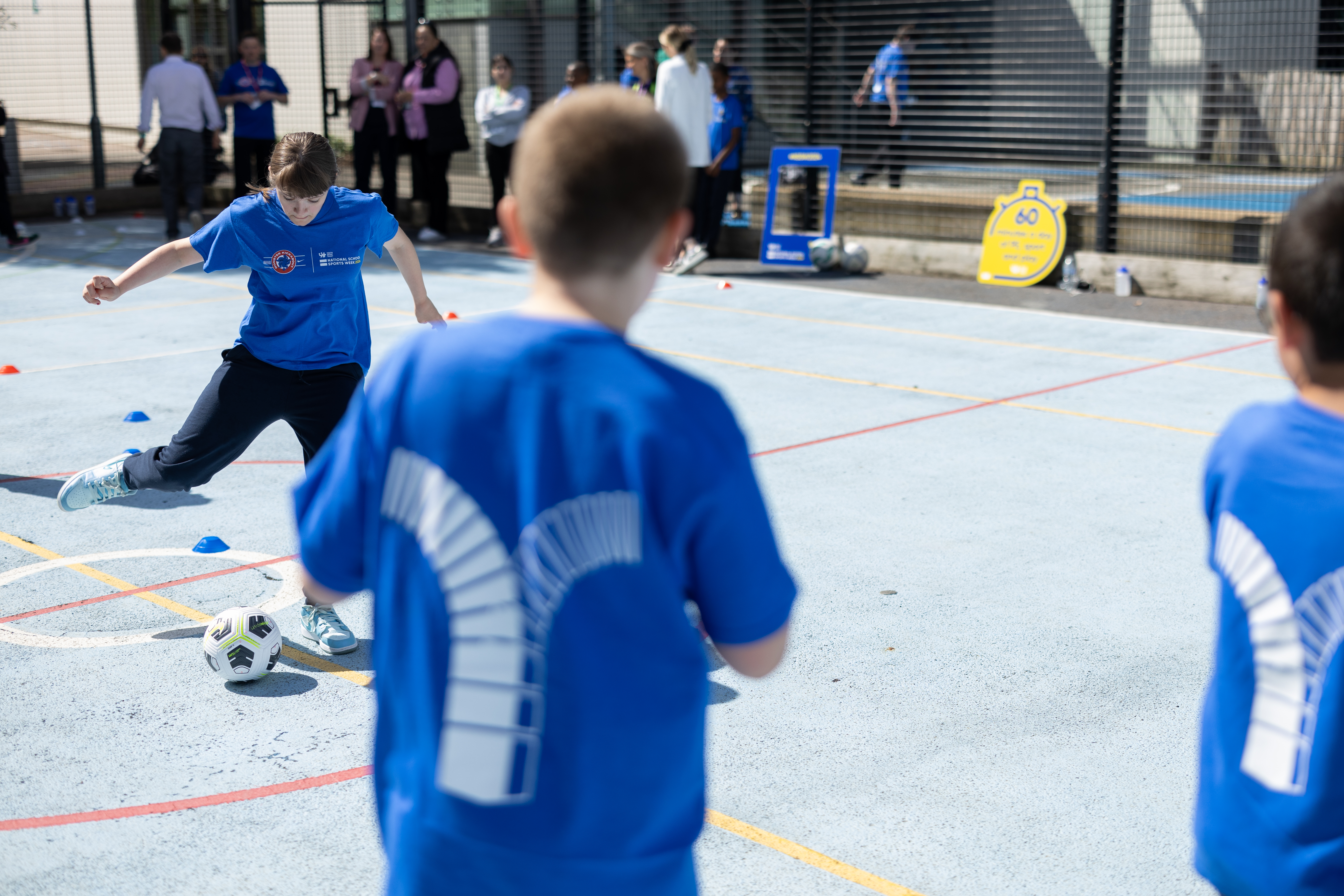
What children wear, and how comfortable they feel throughout the school day, can shape their experiences of movement, participation and belonging.
Uniform for Learning brings together practical guidance, evidence and examples to help schools review their approach to school uniform and PE kit, reduce barriers to physical activity and create a more inclusive experience for pupils.
What's included?
Uniform for Learning brings together practical guidance and supporting resources to help schools consider the role uniform plays in movement, participation and inclusion.
You’ll find:
- Guidance on creating a more inclusive PE uniform
- Evidence and examples of allowing pupils to wear PE uniform throughout PE days
- Guidance on adopting an Always Active Uniform
- Research exploring the relationship between uniform, comfort and physical activity
- Videos, case studies and examples from schools
- Further resources to help you review and develop your school’s approach
The resource is designed to help you consider which approach, or combination of approaches, could work best for your pupils and school community.
How to use

1. Review your current approach - Consider your existing school uniform and PE kit policies and identify where clothing may be creating barriers to comfort, inclusion or physical activity.

2. Explore the three approaches - Read the guidance on inclusive PE uniform, wearing PE uniform all day on PE days and Always Active Uniform.

3. Consider what works for your school - Think about your pupils, setting and priorities to identify which approach, or combination of approaches, could work best.

4. Involve your school community - Use pupil voice and conversations with parents, carers, staff and governors to understand needs and inform any changes.

5. Put your approach into practice - Use the supporting guidance, case studies and resources to help review or update your policy and communicate changes.

6. Keep reviewing - Gather feedback from pupils and staff to understand what is working and identify opportunities for further improvement.
Schools can use the resource as part of a full review of their uniform policy or focus on one particular area where change may be needed.
Why it works
Research suggests that what pupils wear can affect how comfortable, confident and able to participate they feel at school.
Research from the University of Cambridge found that fewer young people achieve recommended levels of physical activity in countries where school uniform policies are more common. The findings also suggested that the relationship between uniform and activity may affect girls and boys differently.
Further research into girls’ experiences of school uniform and physical activity found that physical and psychological comfort are particularly important. Restrictions on movement and feelings of self-consciousness can negatively affect girls’ participation in PE and physical activity.
Feeling comfortable at school can also contribute to a stronger sense of belonging. Pupils who feel that they belong are more likely to be engaged, motivated and ready to learn, reinforcing the relationship between comfort, inclusion and positive school experiences.
In England, schools and their governing bodies are responsible for decisions about school uniform. Current Department for Education guidance encourages schools to consider practicality, comfort and affordability when developing their policies, including ensuring PE uniform is suitable for the activities pupils will undertake.
The guidance also recognises active uniforms as an approach schools may wish to consider to enable pupils to move more freely throughout the school day.

