The history of the Youth Sport Trust
The Youth Sport Trust was officially founded in 1995, after Sir John Beckwith witnessed a street fight in his home neighbourhood of Mayfair and concluded that sport could be used as an intervention to support young people, develop their potential, and improve their life chances.
Motivated by what he had seen, Sir John donated £1 million to launch the charity and joined forces with Olympic gold medallist Duncan Goodhew MBE to appoint its first Chief Executive, Baroness Sue Campbell DBE.
Duncan, who had faced significant challenges at school due to alopecia and severe dyslexia, found in swimming a lifeline and a positive environment in which he could thrive. His vision for the charity was to work through schools to reach young people disengaged from education who could benefit most from the power of sport.
Sue brought experience from her early career as a PE teacher in Moss Side, where she encountered young people whose circumstances and lived experiences were very different from her own. She recognised the power of peer leadership to influence and engage young people, and the importance of giving them agency and choice in how they participate in sport.
These founding values continue to run through the heart of the Youth Sport Trust’s work: using the power of PE, sport, and play to build brighter futures. The charity empowers young leaders to help ensure every child feels they belong in sport, supports their health and wellbeing so they can thrive, and develops their life and leadership skills so they can achieve both in school and in life.
Timeline
1993
John commissions Olympian Duncan Goodhew to explore the potential for creating a charity that would improve sporting opportunities for young people and enhance their lives.
1994
The Youth Sport Trust is established and granted charitable status. Sue Campbell is appointed Chief Executive, and the organisation’s head office opens on the Loughborough University campus.
1995
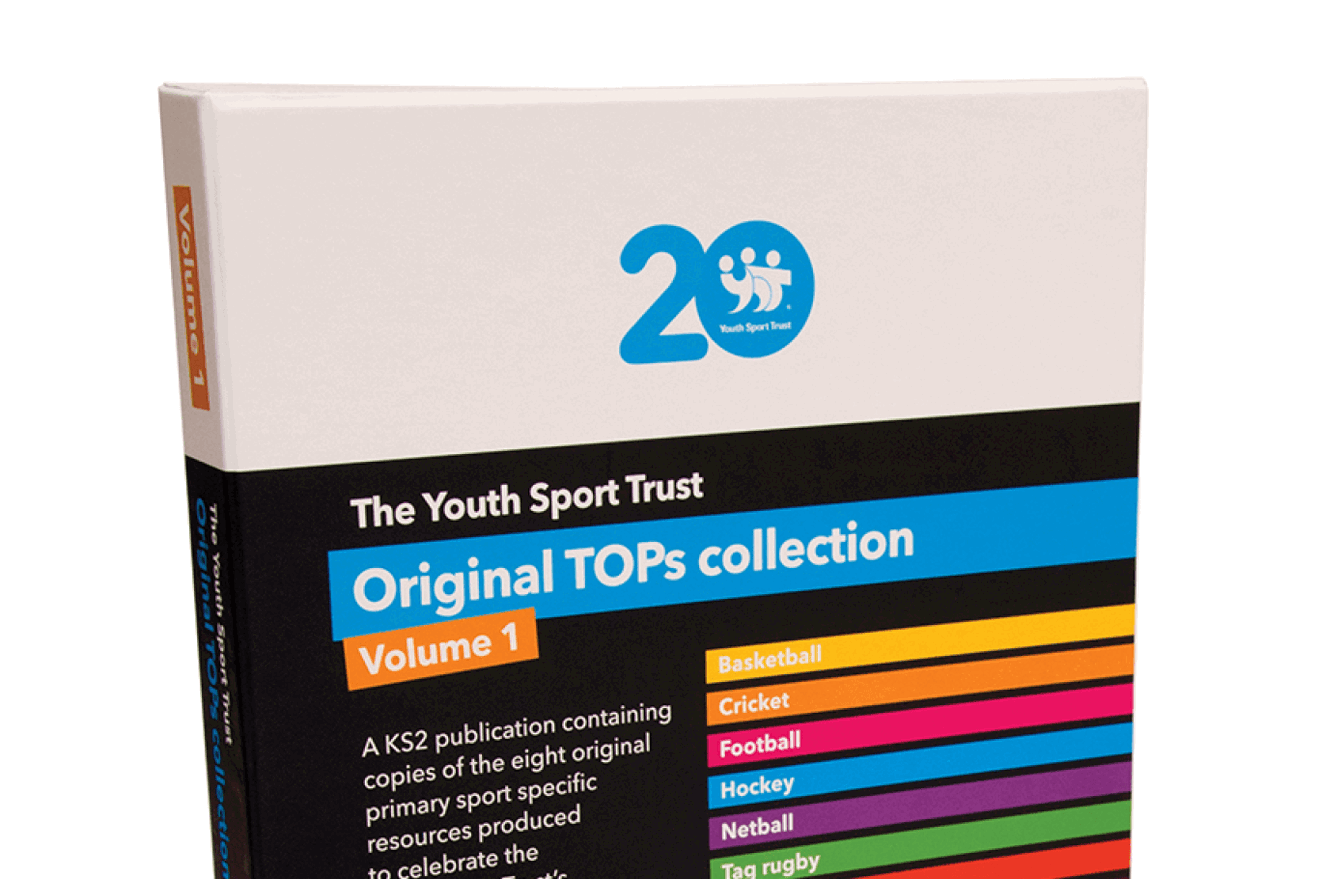
The charity places a strong focus on improving PE and sport in primary schools. The TOP Play and TOP Sport programmes are developed and piloted in 500 schools and community sites, engaging 1,500 children. Their key features include high-quality training, resources, and equipment. This success leads to a national roll-out, supported by a £7.7 million lottery grant for community delivery.
1996
Sport is incorporated into the government’s Specialist Schools Programme, and the Youth Sport Trust is appointed to support schools seeking this status.
1997
TOP Link is launched to help young people in secondary schools develop leadership skills through sport. The first 11 Sports Colleges open in September 1997, growing to a network of 504 by 2010.
1998
John funds the establishment of a new Institute of Youth Sport at Loughborough University, designed to serve as a national and international hub for youth sport research. TOP Sportsability, supporting young disabled people, is launched with funding from the Camelot Foundation.
1999
A partnership begins between Nike and the Youth Sport Trust with the aim of increasing teenage girls’ participation in sport. The Girls in Sport programme later expands nationally. The first Golf Day, sponsored by NEXT, is held at Moor Park Golf Club in Hertfordshire.

2000
TOP Skill is launched to support teachers in delivering PE to 11–14-year-olds. The Youth Sport Trust website goes live.
2001
John establishes the Beckwith Scholarship programme to help young athletes with outstanding talent achieve their ambitions. Beckwith Scholars include Olympic gold medallist Mark Lewis-Francis and former British No.1 tennis player Anne Keothavong. The Sir John Beckwith Centre for Sport opens at Loughborough University, providing a new head office for the Youth Sport Trust, conference facilities, and a home for several national governing bodies of sport.
2002
John is knighted for services to youth sport. TOP Link is adopted by the Department for Education and Skills as the official education programme of the Spirit of Friendship Festival, held alongside the Manchester Commonwealth Games. The Youth Sport Trust is appointed to deliver the government’s PE, School Sport and Club Links strategy. By 2008, the charity has helped to create 450 School Sport Partnerships across England.

2003
Our Changing Lives concept pioneers the use of elite, world-class athletes as mentors to inspire disaffected young people through PE and sport. This comes to life through a partnership with Sky Sports to launch Living for Sport, which runs for 14 years and reaches over 500,000 young people.
2004
A total of 1,300 delegates attend the annual Sports Colleges Conference at the International Centre in Telford, as the number of Sports Colleges grows to 263. TOP Link one-day conferences empower 4,000 14–16-year-olds across the UK to run primary festivals of sport and dance.
2005
Following London’s successful bid to host the 2012 Olympic and Paralympic Games, the Youth Sport Trust creates the Young Ambassador Programme to develop young people as role models who promote the Olympic and Paralympic values.
2006
The inaugural UK School Games take place in Glasgow - a four-day event offering over 1,000 talented young athletes their first experience of a major multi-sport competition. Outstanding Paralympic swimmer Ellie Simmonds competes.
2007
John hosts a fundraising dinner at the Savoy Hotel to support talented young athletes and coaches, raising over £400,000. Every school in England becomes part of a School Sport Partnership—a family of schools working collaboratively to improve the quality and quantity of sport.
2008
Ninety per cent of pupils participate in at least two hours of PE and school sport each week, up from 62% in 2004.
2009
A total of 10,553 schools register for Lloyds TSB National School Sports Week. Since then, 84% of schools in the UK and almost nine million children have taken part. The Youth Sport Trust becomes a key partner in delivering International Inspiration, the London 2012 youth legacy programme, providing specialist training in 20 countries to improve PE and school sport globally.
2010
Between 2004 and 2010, Specialist Sports Colleges are the fastest-improving schools in the country. We begin working with Change4Life, establishing 1,500 secondary clubs and 6,000 primary clubs to support the least active young people.
2011
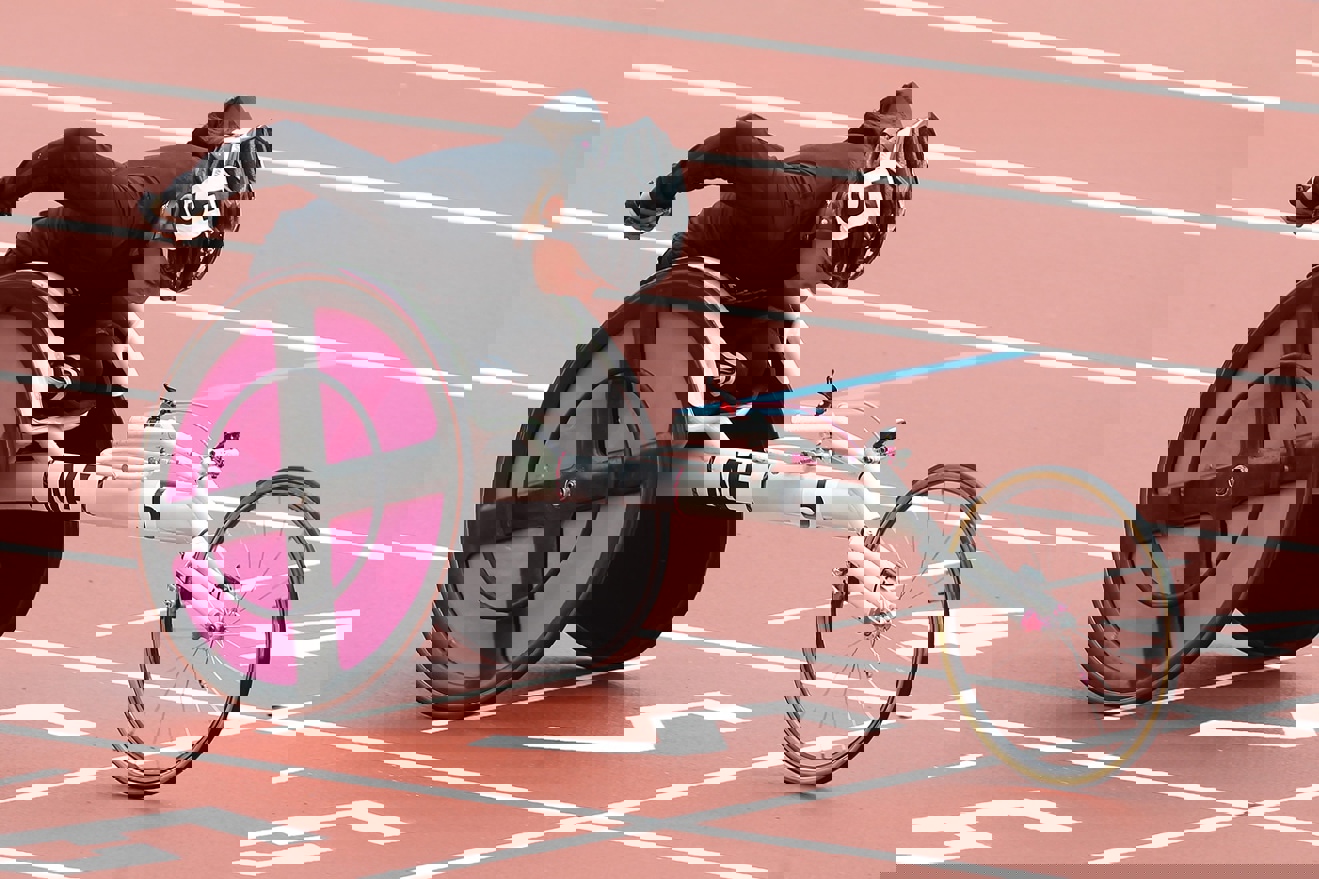
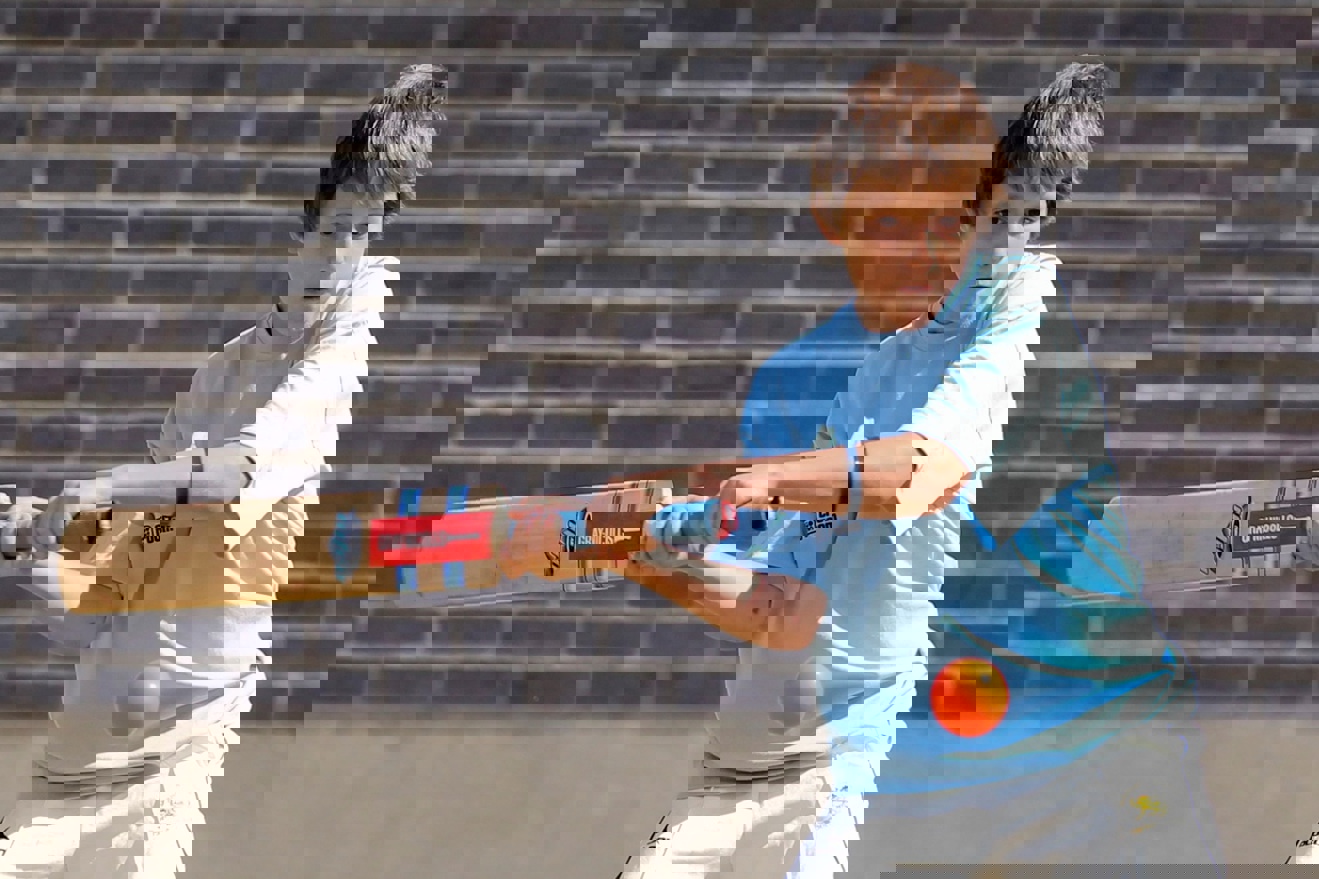
A new initiative from the Department for Digital, Culture, Media & Sport (DCMS), the Department for Education (DfE), and the Department of Health and Social Care (DHSC) is launched: the School Games, a four-level competition for children aged 5 to under 19. Designed to build on the legacy of the London 2012 Olympic and Paralympic Games, it enables every school and child to take part in competitive sport, including opportunities for disabled young people.
The four levels are:
• Level 1: intra-school competition
• Level 2: inter-school competitions
• Level 3: county-level multi-sport School Games festivals
• Level 4: the School Games National Finals
2012
To coincide with London 2012, the Youth Sport Trust leads a national campaign highlighting the importance of physical literacy. This results in renewed government investment through the PE and Sport Premium.
The Youth Sport Trust delivers the School Games National Finals, culminating in the Olympic Park on 9 May, with over 30,000 young people from across the country attending.
2013
The Youth Sport Trust helps secure the continuation of the PE and Sport Premium, with government committing to extend the funding for schools until 2020. Our school guide contributes to the National Physical Literacy Framework.
2014
Girls Active, our pioneering programme to increase girls’ participation in PE and sport, is launched. Delivered with Women in Sport and This Girl Can through Sport England National Lottery funding, it reaches 50,000 girls by 2017.
2015
The seminal first edition of the Class of 35 report is launched. A panel of experts warns that, in 20 years, the most likely outcome could be a ‘digitally distracted generation’, with young people ‘sedated by exposure to digital devices from their earliest infancy’. The report receives widespread media attention and is one of the earliest warnings about the negative impacts of digital technologies.
2016
The Youth Sport Trust partners with Special Olympics GB to tackle intolerance towards children with intellectual disabilities by creating inclusive sporting environments in schools. The initiative reaches almost 30,000 children in two years.
2017
A new intervention, Active in Mind, is piloted with Leeds Beckett University. The project supports 250 young people aged 15 to 18 to act as mentors for 750 young people experiencing mental wellbeing challenges, helping them become more physically active.
2018
The Youth Sport Trust is contracted by The FA to deliver the Girls’ Football in Schools programme, designed to provide girls with equal access to football. In its first year, around 100 girls attend a three-day residential Leadership Camp, empowering and inspiring the next generation of female football leaders.
2019
The Department for Education awards the Inclusion 2020 contract to the Youth Sport Trust. The initiative aims to increase and improve opportunities for children with special educational needs and disabilities (SEND) to engage in PE, physical activity, and school sport. Its success leads to two extensions—first to 2024 and then again to 2028.
2020
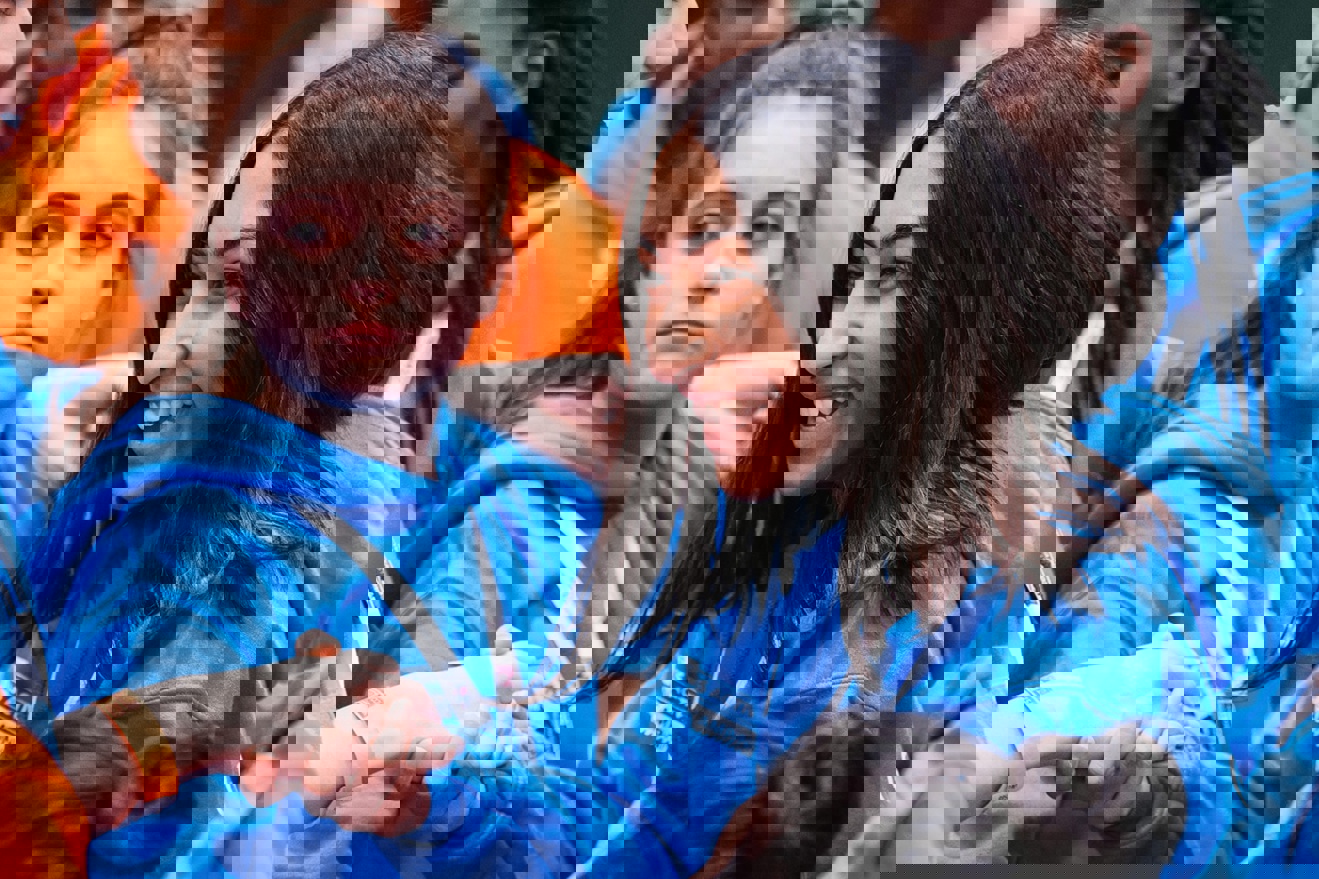
A new initiative, Set for Success, is piloted with funding from the Wimbledon Foundation. The programme aims to use the power of sport to support young people at risk of not achieving their full potential for a variety of reasons. Successfully piloted across 19 schools, it is later expanded and rolled out nationally with additional funding from Barclays in 2023. By 2027, it will run in a further 150 schools across the UK, engaging up to 3,900 young people.
2021
Well Schools is launched with funding from the BUPA Foundation. It begins as a movement of schools adopting a framework and whole-school approach that places as much emphasis on wellbeing as on academic performance. More than 2,000 schools sign up in the first four years.
2022
The charity launches a new 13-year strategy, Inspiring Changemakers, Building Belonging, and is announced as a Sport England System Partner, working alongside more than 120 partner organisations to improve access to sport and physical activity across the country.
2023
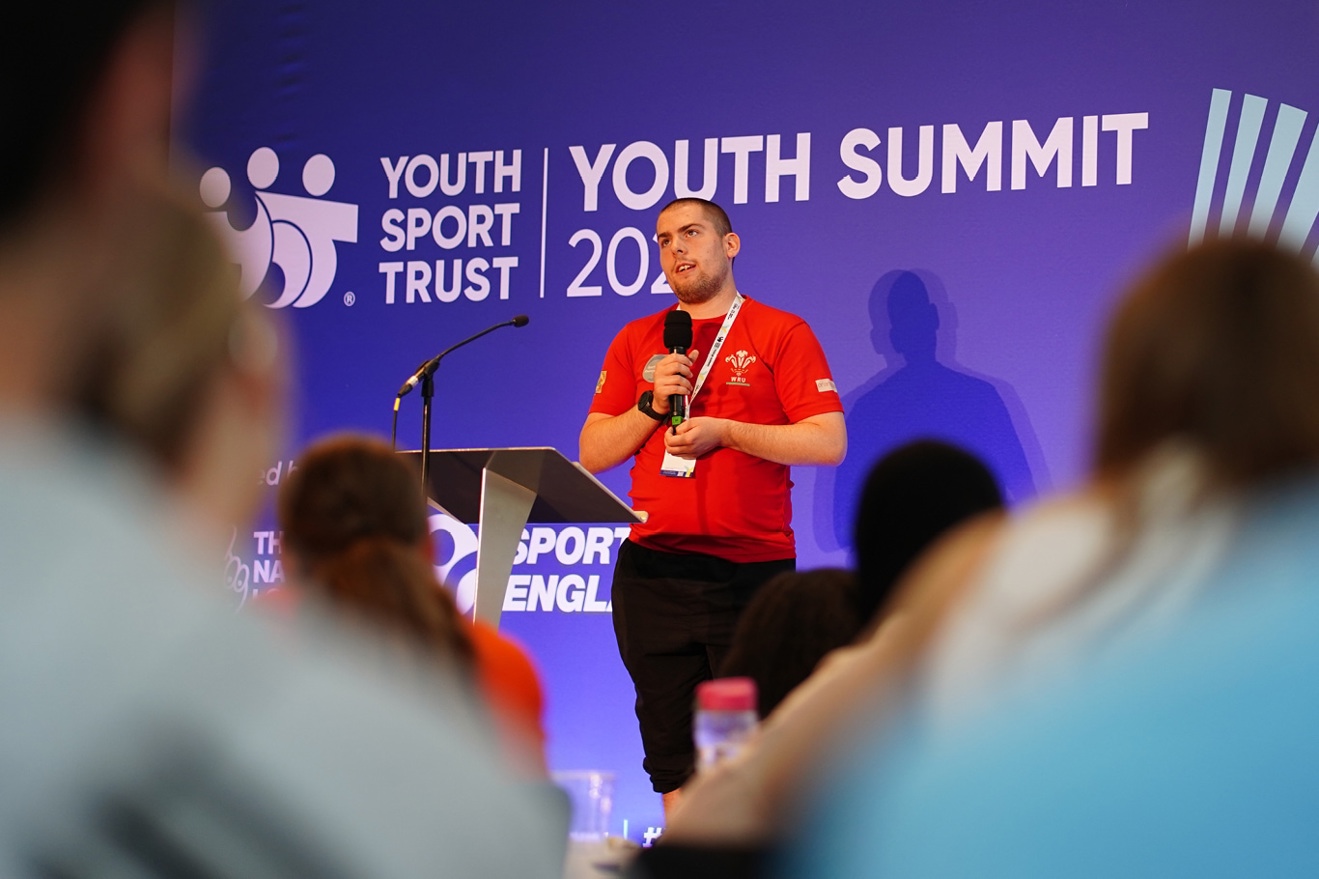
More than 80 young people come together for the first Youth Sport Trust Youth Summit at Loughborough University. A new partnership with Sports Direct is launched to supercharge National School Sports Week, alongside a collaboration with the Summer Reading Challenge.
2024
The Youth Sport Trust appoints Sir Mo Farah as its National School Sport Champion and launches Mo’s Mission, aiming to ensure every young person is active for at least 60 minutes a day through PE, sport, and play.
2025
Well Schools is relaunched as an accreditation scheme, providing a framework that places physical activity and pupil wellbeing at the heart of school improvement plans. The framework is built around establishing a Well Culture, underpinned by Leading Well, Living Well, and Moving Well. In the first three months, 500 schools complete the Well Check.