Your search for "secondary" returned 253 results:

These PE resources are designed to support in-school and remote learning for children and young people at a secondary school level. They include physical activity, sport and wellbeing-based activities.
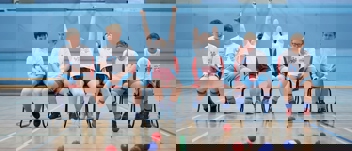
Recent polling, co-funded by #BeeWell and the Youth Sport Trust, found that 66% of parents selected pupil wellbeing as an important consideration when choosing a secondary school for their children.

Practical training to help young people in both primary and secondary schools plan, lead and review inclusive physical activities and active play in their school.

The Lidl Sport for Good Schools Programme helps secondary schools improve young people's mental wellbeing, physical activity and leadership skills through the power of sport.

In Autumn 2022, the Youth Sport Trust conducted new analysis of the Government data and repeated the secondary school survey to create a picture of the current situation for schools in England.

The legacy of STT in enhancing PE, school sport and physical activity provision in secondary schools
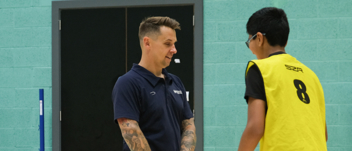
A new era for PE, School Sport and Physical Activity?
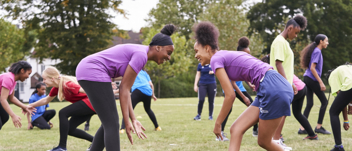
This report summarises responses to the Girls Active Pre-Intervention Questionnaire that female pupils
completed between October 2019 and March 2020.

Obstacle Explorers invites primary and secondary schools to be part of a national movement redefining school sport.
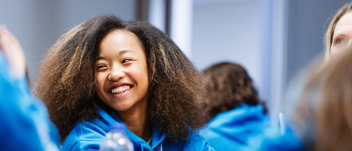
This report summarises responses to the Girls Active Pre-Intervention Questionnaire that female pupils completed between November 2020 and May 2021.
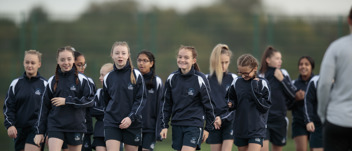
A young person’s gender can have a significant impact on their opportunities to participate in and how they feel about PE, sport and physical activity. At all ages, girls are less active than boys, but boys have similar body confidence challenges, and their activity levels drop more steeply once they enter secondary school.
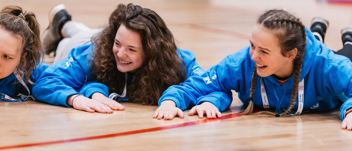
The Youth Sport Trust’s Girls Active programme supports schools to gain student insight through an online survey to understand the participation levels, attitudes, motivations and barriers to participation.