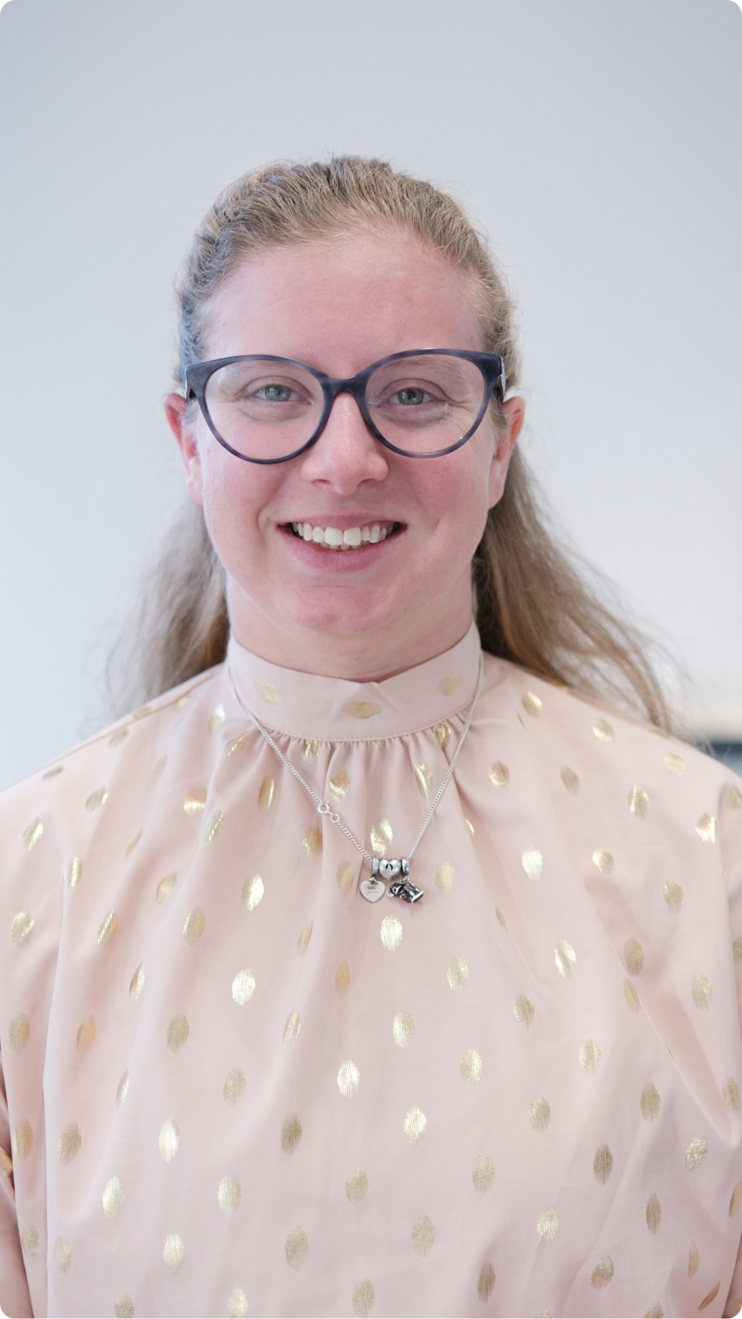
What do you currently do?
I have just completed my degree at Loughborough University, studying exercise and sports therapy. At Loughborough University I have also set up wheelchair tennis sessions for students both with and without disabilities. The idea of the session is that everyone can play on an equal playing field, while giving opportunities for people from all backgrounds and abilities to play sport. Since finishing my degree, I have been coaching and monitoring younger athletes.
Tell us about your sporting background.
I have always loved taking part in sports. Due to disability, I often struggled to keep up with my peers when I was younger, but it never stopped me from trying. I have had a strong relationship with sport for as long as I can remember. Even from a young age I took part in many sports, such as hockey, football, trampolining, hurdles and karate, either at school or local clubs.
However, when I was 13 my disability deteriorated, causing me to rely on my wheelchair more. This is when my sporting life changed. I started playing disability sports like wheelchair tennis, wheelchair basketball and wheelchair racing. I am now a professional wheelchair tennis player where I have had a career high of 28th in the world for singles and a career high of 26th in the world for doubles and I am currently the number two-ranked woman in the country.
What is your area of interest when it comes to accessing sport?
I have a disability, and I have found the influence of sport on my life has been massive in helping me with both my physical and mental health. Taking part in sports that my family and I could do together as equals has made me feel at home. I think having accessible and adapted sports that people with and without disabilities can take part in together is essential. I also am a huge advocate for encouraging girls and women into sport and exercise. Too many girls stop playing sports in their early teens, and this needs to change.
Why did you want to become a member of the Youth Board?
I want to make long-lasting changes to enable access to sport for disabled people so they can feel included and feel like they belong, just like sport makes me feel.
I hope to use my voice to help others.
If you could change one thing about sport or physical activity for young people, what would that be?
If I could change one thing for young people, it would to have more opportunities in education to do disability sport and for sport in general.
This will help educate young people on disability awareness while giving younger people with disabilities a chance to feel like they can fit in with their peers.
Tell us a fun or interesting fact about yourself.
I have a double set of adult teeth, so when one falls out, another one replaces it.